

📅 2019 | 💬 Health & Prevention | ⏱️ Reading time: 4 minutes
In this article, you’ll learn:
- What hemoglobin is and why your body needs it
- How hemoglobin works inside your red blood cells
- What anemia is and how it develops
- Symptoms of low hemoglobin
- How to easily measure hemoglobin at home
What Is Hemoglobin?
Hemoglobin is a protein found within red blood cells. Its primary function is to bind oxygen in the lungs and transport it throughout the body — delivering it to organs, tissues, and muscles that rely on oxygen for energy. Without sufficient hemoglobin, your body struggles to deliver oxygen where it’s needed, leading to fatigue, weakness, and other health concerns.
Each hemoglobin molecule contains iron, which enables it to bind oxygen efficiently and gives red blood cells their red color. In simple terms: hemoglobin is your body’s oxygen carrier.
What Does Hemoglobin Do?
1. Oxygen Transport
As you breathe, oxygen enters your lungs and attaches to hemoglobin inside red blood cells. These oxygen-rich cells then circulate throughout your bloodstream, providing essential oxygen to every part of your body. Your organs depend on this process to function properly.
2. Carbon Dioxide Removal
After delivering oxygen, hemoglobin helps transport carbon dioxide — a waste product — back to the lungs, where it is exhaled. This continuous exchange keeps your body balanced, energized, and functioning smoothly.
What Is Anemia?
Anemia occurs when your body lacks healthy red blood cells or hemoglobin. This means your blood cannot carry enough oxygen, leading to noticeable symptoms and reduced quality of life.
Common causes include:
- Iron deficiency
- Vitamin B12 or folic acid deficiency
- Blood loss
- Chronic illnesses
- Reduced red blood cell production
Common symptoms of low hemoglobin include:
- Fatigue and weakness
- Dizziness or light-headedness
- Shortness of breath
- Pale skin
- Heart palpitations
- Cold hands and feet
- Reduced concentration
How Can You Check Your Hemoglobin Levels?
Monitoring your hemoglobin is an effective way to stay informed about your health. While blood tests through your doctor are common, home testing is becoming increasingly accessible.
With a modern hemoglobin meter, you can measure your levels using a small drop of blood from your fingertip. This allows you to track:
- Changes in your energy levels
- Nutrient deficiencies
- Health conditions such as anemia
- Progress during treatment
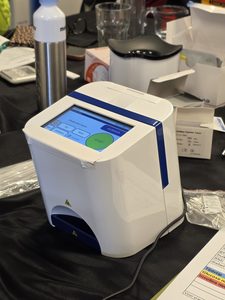
For reliable home testing, consider the Mission Plus® Hb Hemoglobin Meter Starterpack. This starter pack includes everything you need to begin testing immediately.
You can also purchase additional test strips here: Mission Plus® Hb Hemoglobin Test Strips (x50).
Conclusion
Hemoglobin is one of the most important indicators of your overall health. It ensures oxygen is delivered throughout your body and helps remove carbon dioxide. By regularly monitoring your hemoglobin levels — whether through a doctor or easily at home — you stay informed and can react early to potential problems.
Understanding your values empowers you to take control of your health and make choices that support long-term wellbeing.