

- What glucose is and where it comes from
- How your body keeps glucose in balance (insulin and glucagon)
- What glycogen is and why it matters
- Simple ways to measure your glucose regularly
What Is Glucose?
Glucose is a type of sugar found in foods that contain carbohydrates such as grains, fruits, dairy products, and many processed foods. Your digestive system breaks these carbohydrates down into glucose. Once absorbed, glucose circulates in the blood and serves as a primary energy source for your brain, muscles, and organs.
How Does the Body Manage Glucose?
After eating foods that contain carbohydrates, your blood glucose naturally rises. The hormone insulin, produced by the pancreas, helps your cells absorb glucose from the blood and brings your levels back into balance.
The Role of Glucagon
When blood glucose drops below your body’s preferred range, such as between meals, the pancreas releases glucagon. Glucagon signals the liver to release stored glucose, helping raise your blood sugar back to a healthy level. Insulin lowers glucose levels, and glucagon raises them to maintain balance.
What Is Glycogen?
Glycogen is the storage form of glucose kept in your liver and muscles. If you haven’t eaten for several hours or are physically active, your body converts glycogen back into glucose to maintain energy between meals and during exercise.
Why Balance Matters
Keeping blood glucose within a healthy range supports steady energy, focus, and overall well-being. Levels that are too low or too high over time can cause health problems. Regular monitoring helps you understand how your body reacts to diet, exercise, and lifestyle changes.
Measuring Your Glucose Regularly
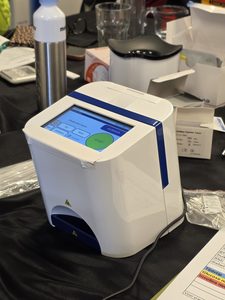
If you want to check your glucose levels routinely or prefer a preventive approach, home glucose meters make it simple. They are quick to use, require only a small finger-prick sample, and provide results in seconds.
Ready to get started? Explore our professional, easy-to-use glucose meters for home use: Shop Glucose Meters.