Knowledge Base

Practical guidance for all monitoring categories.
Device instructions, troubleshooting support, and reliable educational resources in one place.

Monitoring Categories

Select a category to access device documentation and in-depth background information.

Cholesterol

Instructions for cholesterol meters and test devices, including troubleshooting and correct testing procedures. Also includes educational resources about total cholesterol, HDL, triglycerides, and long-term monitoring.

Glucose

Step-by-step guidance for accurate blood glucose testing, meter handling, and test strip use. Includes background information on blood sugar monitoring and trend interpretation.

Ketones

Practical instructions for ketone measurement and correct device use. Educational content covers metabolic monitoring and responsible interpretation.

Hemoglobin

Professional workflow guidance for hemoglobin and hematocrit measurement. Includes quality control information and monitoring context.

Rapid Self-Tests

Clear instructions for CE-marked rapid self-tests for home use. Includes procedure guidance and educational resources about screening and responsible follow-up.

Latest Articles & Updates

Explore the latest device guidance and educational resources across all monitoring areas.

What Is Diabetes? Understanding the Condition and How to Manage It

Insulin is produced in the pancreas — an organ located behind the stomach. If the pancreas cannot produce enough insulin, or if the body cannot use insulin properly, glucose builds up in the blood. Over time, consistently high glucose levels can cause damage throughout the body.

Everything you need to know about cholesterol

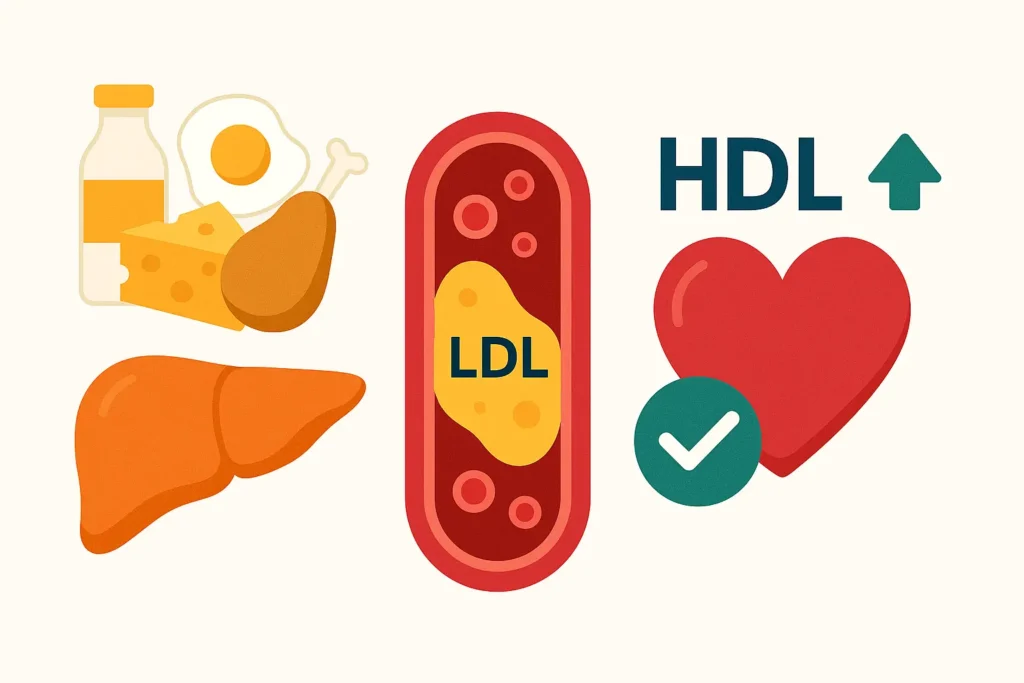
Cholesterol is a fatty substance found in your blood. Your body produces it on its own, but you also get it through food. Although cholesterol often has a bad reputation, it is not necessarily unhealthy. In fact, your body needs cholesterol to produce hormones, vitamin D, and cell walls.

Frequently Asked Questions (FAQ) – Mission 3-in-1 Cholesterol Meter

Find clear answers to common questions about the Mission 3-in-1 Cholesterol Meter, including test strips, blood collection, error codes and test results.

How to read your cholesterol test results

Learn how to interpret Total Cholesterol, HDL, triglycerides, calculated LDL, and ratios, and why monitoring trends over time is more important than a single measurement.

How to perform a cholesterol test

Before starting the test, ensure you have a clear, clutter-free space on a table. Gather all necessary items: the meter, test strips, safety lancet, and capillary and clean your finger with an alcohol wipe before pricking it, and consider using a small plaster afterward

How to setup your cholesterol meter

Open the battery compartment on the back. Remove the plastic protection strip (if present). Insert four batteries, paying attention to the plus (+) and minus (–) markings.

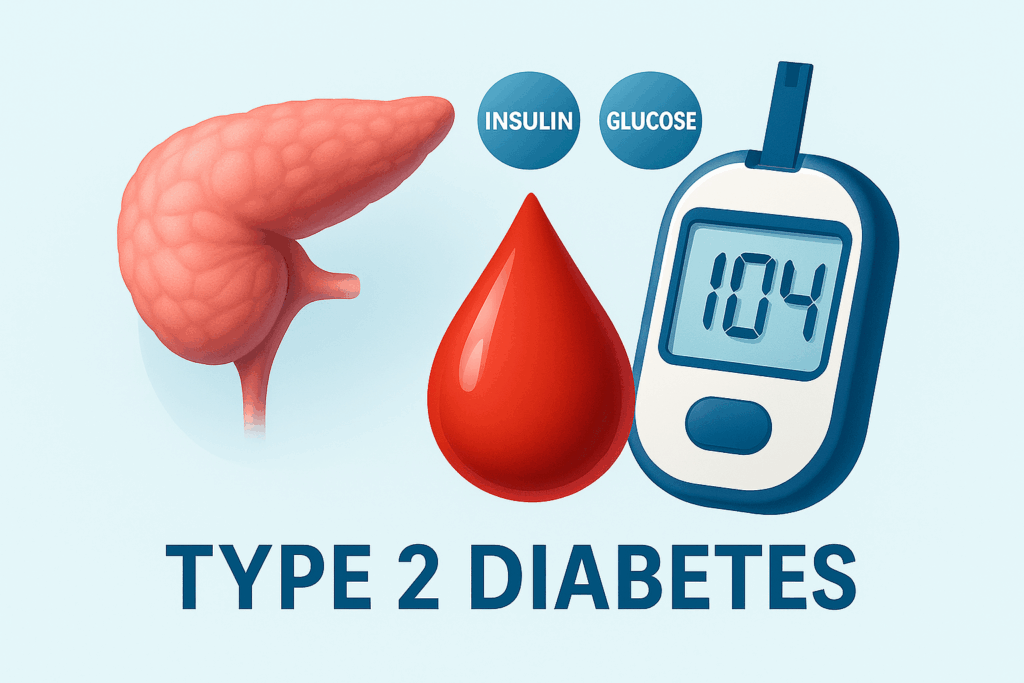
What Is Type 2 Diabetes? Understanding the Most Common Form of Diabetes

Type 2 diabetes is the most common form of diabetes, affecting millions of people worldwide. It occurs when your body doesn’t use insulin effectively — a condition known as insulin resistance — or when your pancreas doesn’t produce enough insulin to maintain normal blood glucose levels. Over time, this can lead to higher-than-normal blood sugar levels, which may affect your health if left unchecked.

Watch your sugar level

When we talk about glucose, we talk about blood sugar. Glucose is a carbohydrate, which serves as fuel for our cells. There are several types of carbohydrates. They often consist of sugar molecules. The number of sugar molecules differs.

What is cholesterol and why does it matter?

Ask most people what cholesterol is and they will tell you it is something that “clogs arteries.” That picture is incomplete. Cholesterol is one of the most essential molecules in your body. Understanding what it actually does, and what truly drives cardiovascular risk, changes how you think about monitoring it.

Frequently Asked Questions (FAQ)

Below you will find the most frequently asked questions about the Swiss Point of Care Glucose Meter. This section explains how to interpret your results, what certain notifications mean, and how to check if your meter is working correctly.

What Is Glucose? Everything You Need to Know About Your Body’s Main Fuel

Glucose is a simple sugar your body gets from carbohydrate-rich foods and, in smaller amounts, from direct sources like dextrose. During digestion, carbohydrates are broken down into glucose, which then enters your bloodstream and powers your cells. Having some sugar in your blood is completely normal because your body needs it to function.

10 SUPER Tips for a Healthy Heart

Every year around 40,000 people die of cardiovascular disease. This amounts to almost 120 people per day. It is the number 2 cause of death in the Netherlands. In addition to cardiovascular disease, many people die of a heart attack. Nearly 5000 people die of a heart attack every year. This amounts to 14-15 people per day. Every year almost 35,000 people report at the hospital with a heart attack.